
Blog
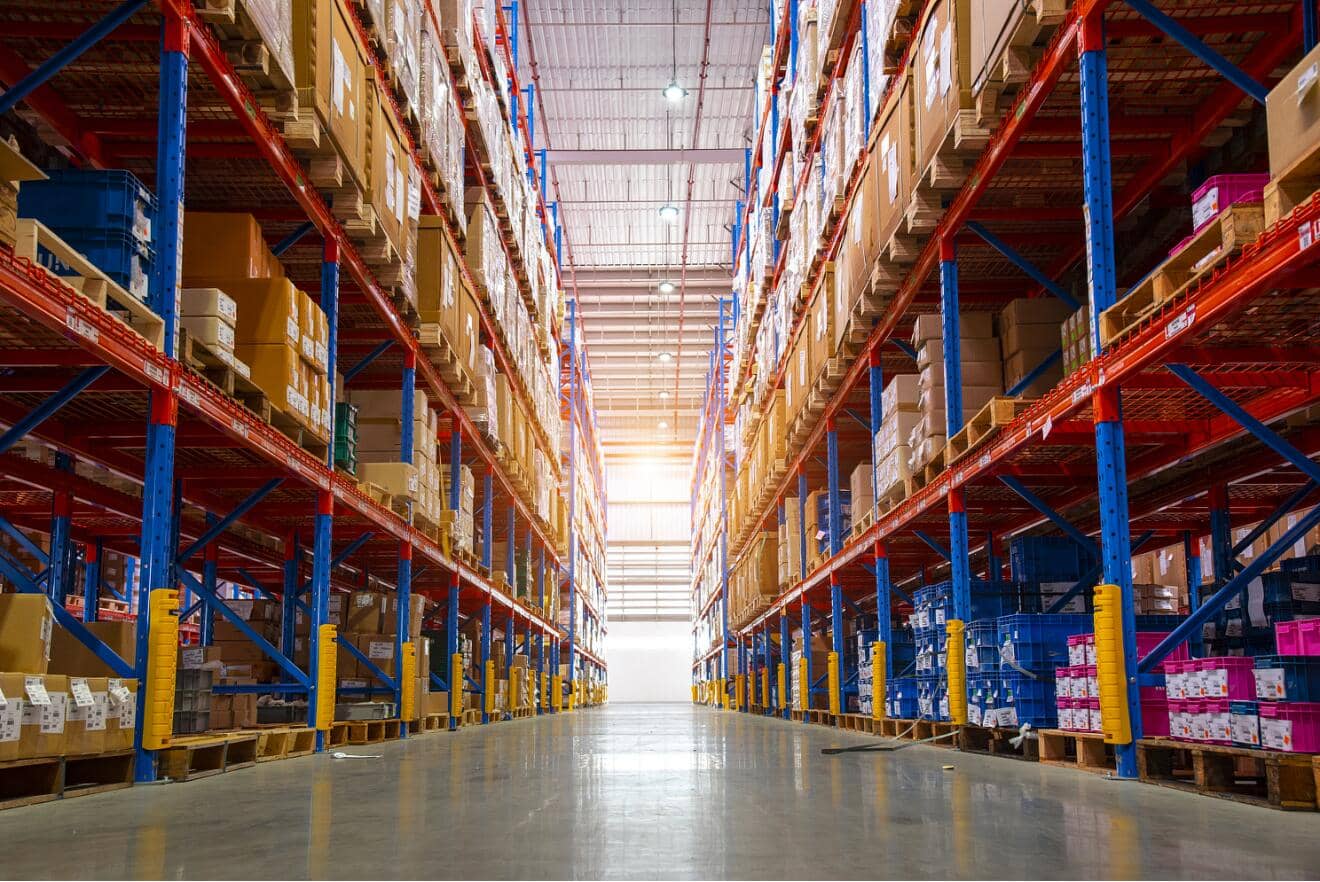
Entre em qualquer centro de distribuição industrial do mundo e você verá uma cena familiar: fileiras e mais fileiras de estanterias para paletes, também conhecidas como estanterias seletivas ou estanterias de vigas. Essa estrutura aparentemente simples, composta por colunas verticais e vigas horizontais, tem sido a espinha dorsal do armazenamento industrial por décadas. Em uma era de automação deslumbrante — com Sistemas Automatizados de Armazenamento e Recuperação (AS/RS), sistemas de transporte e soluções robóticas de mercadoria-para-pessoa ganhando destaque — por que essa solução convencional continua sendo a mais utilizada e popular em todo o mundo?
A resposta não reside simplesmente na "simplicidade" ou no "baixo custo". Seu domínio duradouro é uma prova de ter alcançado um equilíbrio quase perfeito entre custo-benefício, flexibilidade incomparável e compatibilidade universal. Vamos analisar os principais motivos.
1. A Economia Imbatível: O Padrão Ouro do Retorno sobre o Investimento
Menor investimento inicial (CapEx): Comparado a qualquer sistema de armazenagem densa automatizado ou semiautomatizado, o sistema de estanteria para paletes apresenta o menor investimento inicial. Trata-se essencialmente de uma estrutura de aço com processos de fabricação consolidados e escaláveis.
Custo Total de Propriedade (TCO) ideal: além do preço de compra, o custo de manutenção é insignificante (sem peças móveis complexas que possam falhar) e o consumo de energia é zero. Para a grande maioria das operações, usar o espaço em vez da automação é a opção mais econômica, desde que os custos de terreno e construção sejam viáveis.
Sinergia perfeita com equipamentos universais: Os porta-paletes são projetados para empilhadeiras — o equipamento essencial e versátil para movimentação de materiais (desde empilhadeiras contrabalançadas até empilhadeiras retráteis). As empresas aproveitam os ativos de frota existentes sem investir em máquinas de movimentação proprietárias e caras, exigidas por sistemas especializados.
2. Flexibilidade e universalidade inigualáveis
Compatibilidade máxima de carga: Se um produto puder ser unitizado em um palete padrão (madeira, plástico, metal), ele poderá ser armazenado em estanterias para paletes. Essa compatibilidade supera em muito a de sistemas de alta densidade (como drive-in ou push-back), que geralmente exigem cargas mais uniformes.
Ideal para perfis de SKU complexos: É perfeito para armazéns com um grande número de SKUs, diversos tipos de produtos e taxas de rotatividade (velocidade) variáveis. Cada local é independente, permitindo o armazenamento de itens completamente diferentes e facilitando a realocação sem a necessidade de reconfiguração do sistema.
Adaptável por natureza: Os níveis ajustáveis das vigas permitem que as estantes se adaptem às mudanças sazonais ou às dimensões variáveis dos produtos. Todo o layout pode ser modificado ou expandido com relativa facilidade.
Independente do modelo de negócio: serve como solução fundamental para distribuição B2B, armazenamento de matéria-prima na manufatura, instalações de logística terceirizada (3PL) e centros de distribuição de varejo. É a "camada base" universal de armazenamento.
3. Resiliência Operacional e Intuição
"O que você vê é o que você recebe" (WYSIWYG): Os operadores têm contato visual direto com a carga e as etiquetas de localização. Durante a separação de pedidos, a inspeção física é imediata, reduzindo erros que podem ocorrer em ambientes de separação "às cegas" que dependem de sistemas.
Alta tolerância a falhas: Uma falha em um local (por exemplo, uma viga torta) não paralisa todo o sistema. A quebra de um equipamento (por exemplo, uma empilhadeira) é facilmente solucionada com o uso de outro equipamento. Em contrapartida, uma falha em um componente central de um sistema automatizado (por exemplo, um guindaste ou um sistema de transporte) pode interromper todo um corredor ou zona.
Facilidade de intervenção humana: as contagens físicas de estoque, as auditorias aleatórias e os ajustes temporários são simples, não exigindo alterações complexas no sistema nem interrupções no processo.
4. Sinergia com o Avanço Tecnológico
O sistema de estanteria para paletes não permaneceu estático; ele evolui como a "infraestrutura" fundamental, integrando-se perfeitamente às novas tecnologias:
Integração profunda com WMS/WES: Os modernos Sistemas de Gerenciamento de Armazém (WMS) e Sistemas de Execução de Armazém (WES) trazem inteligência superior para o armazenamento em estantes porta-paletes. Eles otimizam os locais de estocagem, projetam rotas de picking eficientes e permitem o posicionamento dinâmico, aumentando drasticamente a produtividade.
O Buffer Crítico e Complementar: Em armazéns altamente automatizados, as estanterias de paletes frequentemente atuam como zona de buffer de entrada/saída ou área de armazenamento complementar para sistemas AS/RS, lidando com itens não transportáveis por esteira, itens de baixa rotatividade ou excesso de estoque.
Plataforma para Automação Flexível: Atualmente, Robôs Móveis Autônomos (AMRs) e Veículos Guiados Automaticamente (AGVs) para empilhadeiras são cada vez mais utilizados em corredores de estanterias para transporte automatizado e fluxos de trabalho "mercadoria-para-pessoa". As estanterias oferecem a estrutura ideal e de baixo custo para essa nova geração de automação flexível.
5. O alicerce inabalável das cadeias de suprimentos globais
O palete é a linguagem universal: as cadeias de suprimentos globais são construídas sobre o transporte paletizado padronizado. O sistema de estanteria para paletes, como meio de armazenamento nativo para paletes, está intrinsecamente alinhado com esse padrão global.
A Cauda Longa do Armazenagem: A grande maioria dos armazéns em todo o mundo são instalações de pequeno a médio porte com diversos SKUs e demandas flutuantes. Para eles, o sistema de estanteria de paletes representa a opção de menor risco, mais confiável e mais econômica.
Conclusão: A espinha dorsal indispensável
Pense nisso da seguinte maneira:
Sistemas automatizados (AS/RS, shuttles) são como "carros de Fórmula 1" — incomparáveis em cenários específicos (alto volume, mercadorias uniformes), mas caros, especializados e que exigem manutenção especializada.
O sistema de estanteria para paletes é o "veículo de frota global" — confiável, acessível, de baixo custo de manutenção, adaptável a todos os tipos de estradas e universalmente operável. Ele resolve o principal desafio de armazenagem para a grande maioria das empresas.
Em última análise, o reinado duradouro das estanterias porta-paletes é uma poderosa demonstração do princípio logístico da flexibilidade em detrimento da complexidade e da generalidade em detrimento da especificidade. Incorpora o Princípio de Pareto (a regra 80/20) na armazenagem: oferecendo aproximadamente 80% da funcionalidade necessária por talvez 20% do custo da automação de ponta. Enquanto as cadeias de suprimentos se movimentarem em paletes e as empresas precisarem se adaptar às mudanças, as estanterias porta-paletes permanecerão as rainhas indiscutíveis dos armazéns.

Adicionar : NO.409 West Jianshe Road, Economic Development Zone, Jinhu County, Jiangsu Province, China
Continue lendo, mantenha-se informado, inscreva-se e convidamos você a nos dizer o que pensa.


Direitos autorais
2026@ Jiangsu Kingmore Storage Equipment Manufacturing Co., Ltd Todos os direitos reservados.
Mapa do site
| Blog
| Xml
| política de Privacidade
 REDE SUPORTADA
 português
 English
 español
 日本語
日本語 한국의
한국의 Deutsch
 français
 العربية
 中文
中文 русский